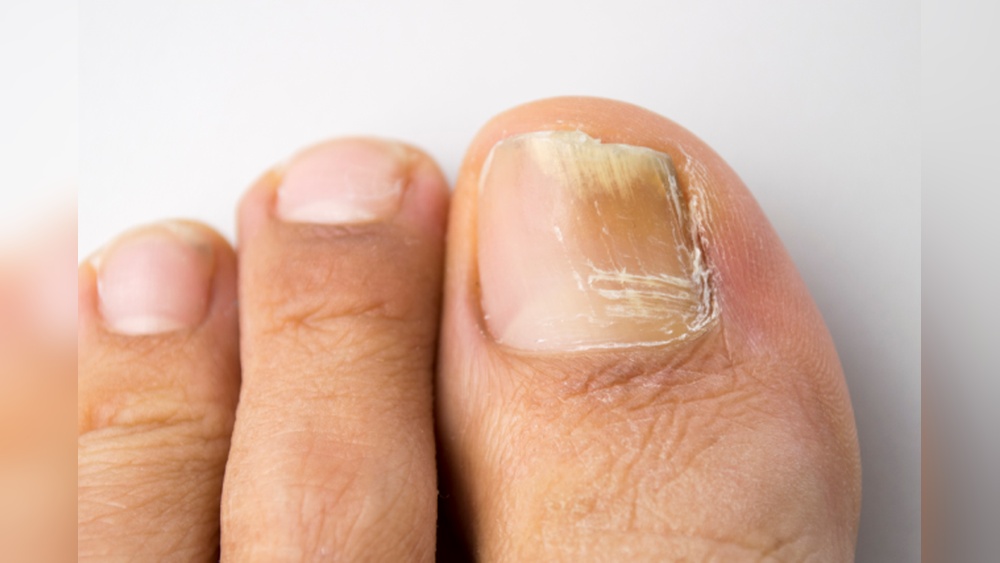
Are you struggling with nail fungus and looking for simple ways to support your healing? Your nails need more than just topical treatments—they also rely on the right vitamins to fight infection and grow healthy again.
Knowing which vitamins work best can make a real difference in how quickly you see results. Keep reading to discover the key vitamins that can help your nails recover and stay strong. This information could be the missing piece in your nail care routine.
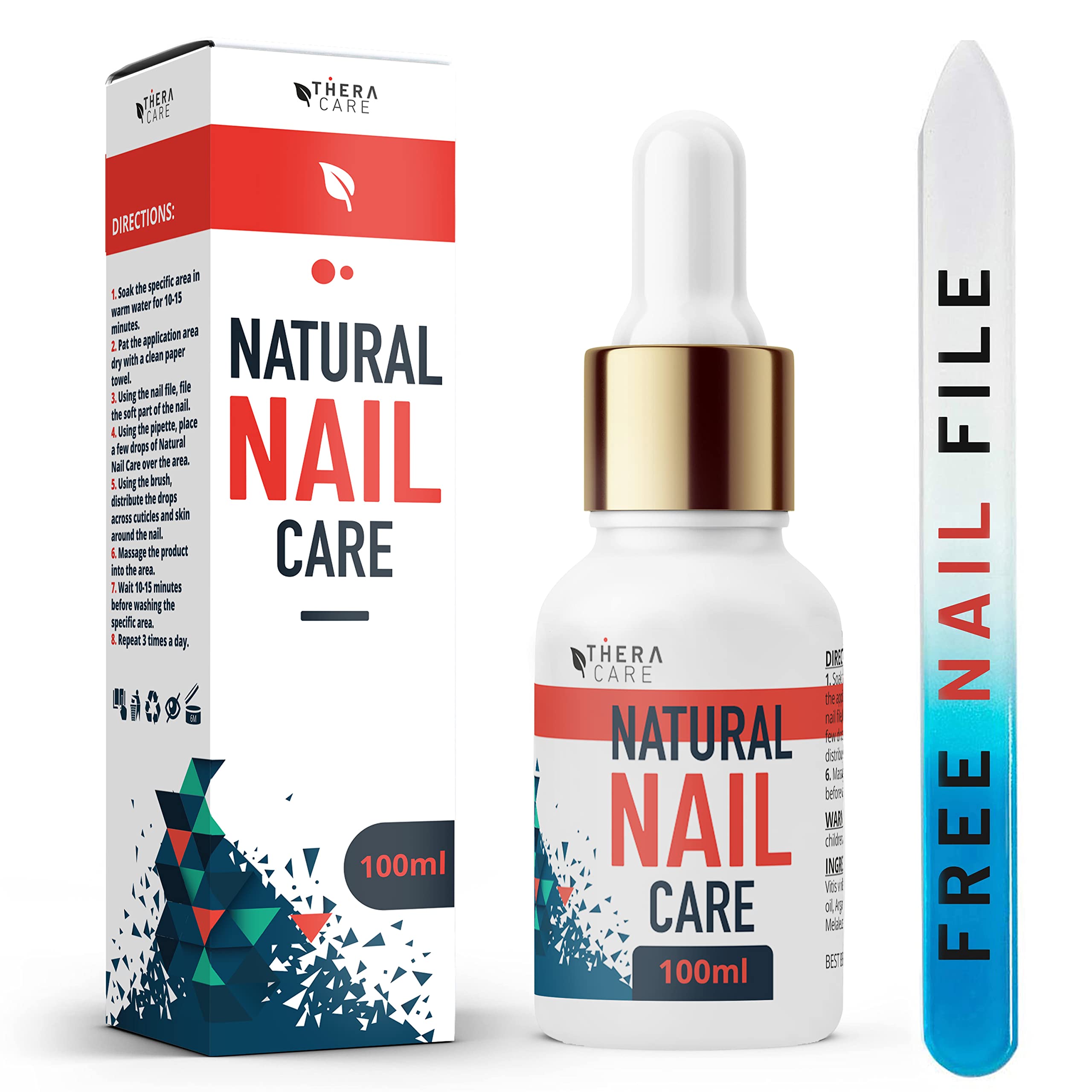
Credit: www.gosupps.com
Key Vitamins For Nail Health
Healthy nails need more than good care. Vitamins play a big role in keeping nails strong and fighting nail fungus. Some vitamins help fight infection. Others support nail growth and repair. Knowing the right vitamins helps your nails stay healthy and clear.
Below are key vitamins that support nail health and help combat nail fungus. Adding these vitamins to your diet or supplement routine may improve nail condition.
Vitamin E
Vitamin E is a powerful antioxidant. It protects nails from damage caused by fungus. It also improves blood flow to the nail bed. This helps nails grow stronger and heal faster. Applying vitamin E oil can soothe nail skin too.
Vitamin D
Vitamin D supports immune health. A strong immune system fights nail infections better. It also helps the body absorb calcium. Calcium is needed for hard, healthy nails. Sun exposure and supplements are good sources of vitamin D.
Biotin (vitamin B7)
Biotin helps nails grow thick and strong. It reduces brittleness and splitting. Biotin supports the production of keratin, a key nail protein. Taking biotin supplements can improve nail quality over time.
Vitamin C
Vitamin C boosts collagen production. Collagen keeps nails flexible and less likely to crack. It also helps fight infections by supporting the immune system. Citrus fruits and berries are rich in vitamin C.
Vitamin A
Vitamin A helps repair damaged skin around nails. It supports nail growth and strength. This vitamin keeps nails from becoming dry and brittle. Foods like carrots and sweet potatoes contain vitamin A.
Vitamin D’s Role In Fighting Fungus
Vitamin D plays an important role in fighting nail fungus. It helps the body fight infections and keeps nails healthy. This vitamin supports the immune system, which can attack fungal infections. Without enough vitamin D, the body may struggle to control fungal growth.
Taking vitamin D can improve your skin and nail health. It helps reduce inflammation and supports the repair of damaged nail tissue. Strong nails are less likely to get infected by fungus.
How Vitamin D Boosts Immunity Against Fungus
Vitamin D activates immune cells that fight off fungus. These cells detect and destroy fungal invaders in the nail area. A strong immune response limits the spread of infection. This helps nails heal faster and stops fungus from growing.
Vitamin D’s Effect On Nail Growth And Repair
Vitamin D supports new nail growth and repair of damaged nails. Healthy nails provide a barrier against fungi. It also helps produce proteins needed for nail strength. Better nail health reduces the chance of fungal infections.
Sources Of Vitamin D For Nail Health
Sunlight is a natural source of vitamin D. Eating foods like fish, eggs, and fortified milk also helps. Supplements provide vitamin D when sunlight or diet is not enough. Regular intake keeps vitamin D levels high and supports nail health.
Benefits Of Vitamin E For Nails
Vitamin E plays a key role in nail health. It helps repair damaged nails and supports new growth. This vitamin also protects nails from damage caused by fungus and dryness.
Using vitamin E can make nails stronger and less likely to break. It soothes the skin around nails and reduces inflammation. These effects help nails stay healthy during fungal infections.
Vitamin E Helps Heal Nail Damage
Vitamin E aids in repairing cracked and brittle nails. It improves blood flow to the nail bed. This speeds up the healing process of damaged nails.
Vitamin E Prevents Nail Dryness
Dry nails are prone to cracking and infection. Vitamin E moisturizes nails and cuticles deeply. This hydration keeps nails flexible and less likely to split.
Vitamin E Protects Against Free Radicals
Free radicals can harm nail cells and slow growth. Vitamin E acts as an antioxidant that fights free radicals. This protection supports healthier and stronger nails.
Vitamin E Reduces Nail Inflammation
Fungal infections cause redness and swelling around nails. Vitamin E has anti-inflammatory properties. It calms irritated skin and helps reduce pain.
How Vitamin C Supports Nail Recovery
Vitamin C plays a key role in nail health and healing. It helps the body fight infections and supports skin repair. Nail fungus damages nails and surrounding skin. Vitamin C can help nails recover by boosting the immune system and promoting tissue growth.
This vitamin helps the body produce collagen. Collagen is a protein that keeps nails strong and flexible. Without enough collagen, nails can become weak and brittle. Vitamin C also helps reduce inflammation, which is common with nail fungus.
Boosts Immune System To Fight Infection
Vitamin C supports white blood cells. These cells attack the fungus causing nail infections. A stronger immune system means faster recovery. It helps stop the infection from spreading to other nails or skin.
Promotes Collagen Production
Collagen rebuilds damaged nail tissue. Vitamin C helps the body make more collagen. This leads to stronger, healthier nails. It also helps repair skin around the nails.
Reduces Inflammation And Pain
Nail fungus often causes redness and swelling. Vitamin C helps lower this inflammation. Less swelling means less pain and discomfort. It makes nail care easier and more effective.
Acts As An Antioxidant
Vitamin C protects nails from damage by free radicals. Free radicals harm cells and delay healing. Antioxidants like vitamin C help keep nails healthy during recovery.
Importance Of Vitamin A In Nail Repair
Vitamin A plays a key role in healing and strengthening nails. It helps the body produce new cells. This is important for repairing damaged nail tissue.
Without enough vitamin A, nails become weak and brittle. They are more likely to crack or break. This makes it harder for nails to fight infections like fungus.
Vitamin A also supports the immune system. A strong immune system helps fight fungal infections that affect nails. It helps keep nails healthy and growing well.
How Vitamin A Supports Nail Growth
Vitamin A helps skin and nails grow properly. It aids in cell production and repair. This keeps nails smooth and strong.
New nail cells form faster with enough vitamin A. This helps damaged nails heal quicker. It also stops nails from peeling or splitting.
Vitamin A’s Role In Fighting Nail Fungus
Vitamin A strengthens the skin around nails. Strong skin acts as a barrier against fungus. It prevents fungus from entering and spreading.
By boosting immunity, vitamin A helps the body fight fungal infections. Healthy nails resist fungus better and recover faster.
Best Sources Of Vitamin A For Nail Health
Foods rich in vitamin A include carrots, sweet potatoes, and spinach. Animal sources like liver and eggs also provide vitamin A. Eating these foods supports nail repair and health.
Supplements can help if diet lacks vitamin A. Consult a doctor before taking any vitamins or supplements.
B Vitamins That Help Combat Nail Fungus
B vitamins play an important role in fighting nail fungus. These vitamins support nail health and help repair damage caused by fungal infections. Including the right B vitamins can improve nail strength and speed healing. Two key B vitamins that help combat nail fungus are biotin and riboflavin.
Biotin And Nail Strength
Biotin, also known as vitamin B7, helps make nails strong. It supports the production of keratin, the protein that forms nails. Stronger nails resist damage from fungus better. Biotin can also reduce nail brittleness and prevent splitting. Regular biotin intake helps nails grow thicker and healthier. You can find biotin in eggs, nuts, and whole grains.
Riboflavin And Tissue Health
Riboflavin, or vitamin B2, is vital for healthy skin and nails. It helps repair damaged tissues and supports cell growth. Riboflavin improves oxygen use in the body, which aids healing. Healthy nail tissue fights fungal infections more effectively. Foods rich in riboflavin include milk, green vegetables, and lean meats.
Zinc And Its Antifungal Properties
Zinc is a vital mineral that supports many body functions. It helps heal wounds and boosts the immune system. Zinc also fights infections, including fungal infections that affect nails.
Nail fungus can cause thick, brittle, and discolored nails. Zinc works against this by stopping the growth of fungi. It strengthens the skin and nails, making it harder for fungus to spread.
Zinc’s Role In Fighting Nail Fungus
Zinc stops fungus from multiplying. It slows down the infection and reduces symptoms. This helps nails look healthier over time. Zinc also supports the body’s natural defense to clear infections faster.
How Zinc Supports Nail Health
Zinc boosts new cell growth in nails. It makes nails stronger and less likely to break. Healthy nails resist fungus better. Zinc also reduces inflammation around the infected nail.
Sources Of Zinc For Nail Fungus
Zinc is found in foods like meat, beans, and nuts. Supplements are an option if diet lacks zinc. Topical creams with zinc may help treat nail fungus directly. Always consult a doctor before starting supplements.
Iron’s Impact On Nail Growth
Iron supports healthy nail growth by helping produce strong nails. It also improves blood flow, which nourishes nails and fights fungus. Vitamins like vitamin C and biotin work well with iron to keep nails healthy and less prone to infections.
Iron’s Role In Nail Health
Iron helps carry oxygen in the blood. Nails need oxygen to grow strong and healthy. Without enough iron, nails can become weak and brittle. This makes nails more likely to break or develop problems.
Iron Deficiency And Nail Problems
Low iron levels can cause nails to grow slowly. Some people see thin, spoon-shaped nails. These changes make nails more open to infections like fungus. Iron deficiency weakens the nail structure.
How Iron Supports Nail Growth
Iron supports the production of new cells. Nail growth depends on healthy cells forming at the base. Iron ensures these cells get enough oxygen to grow properly. Strong nails resist damage and fungus better.
Sources Of Iron For Nail Health
Good iron sources include red meat, beans, and spinach. Eating these foods regularly helps maintain iron levels. Iron supplements can help if diet is not enough. Always check with a doctor before starting supplements.
Role Of Magnesium In Nail Health
Magnesium plays an important role in keeping nails strong and healthy. It helps the body absorb other nutrients that support nail growth. Without enough magnesium, nails can become weak and brittle.
This mineral also helps the body build proteins, which are the main part of nails. Healthy protein production supports nail repair and growth. Magnesium supports the immune system too, which fights infections like nail fungus.
Magnesium Supports Protein Production
Nails are mostly made of a protein called keratin. Magnesium helps the body make keratin efficiently. Strong keratin means nails grow thicker and resist damage better. Low magnesium can slow down this process, making nails fragile.
Magnesium Boosts Immune Defense
A strong immune system helps fight fungal infections under nails. Magnesium helps immune cells work properly. This support helps the body stop nail fungus from spreading and keeps nails healthier overall.
Magnesium Helps Nutrient Absorption
Magnesium aids the absorption of vitamins and minerals like calcium and vitamin D. These nutrients are vital for nail strength. Better absorption means nails get the nutrients they need to stay strong and avoid fungal damage.
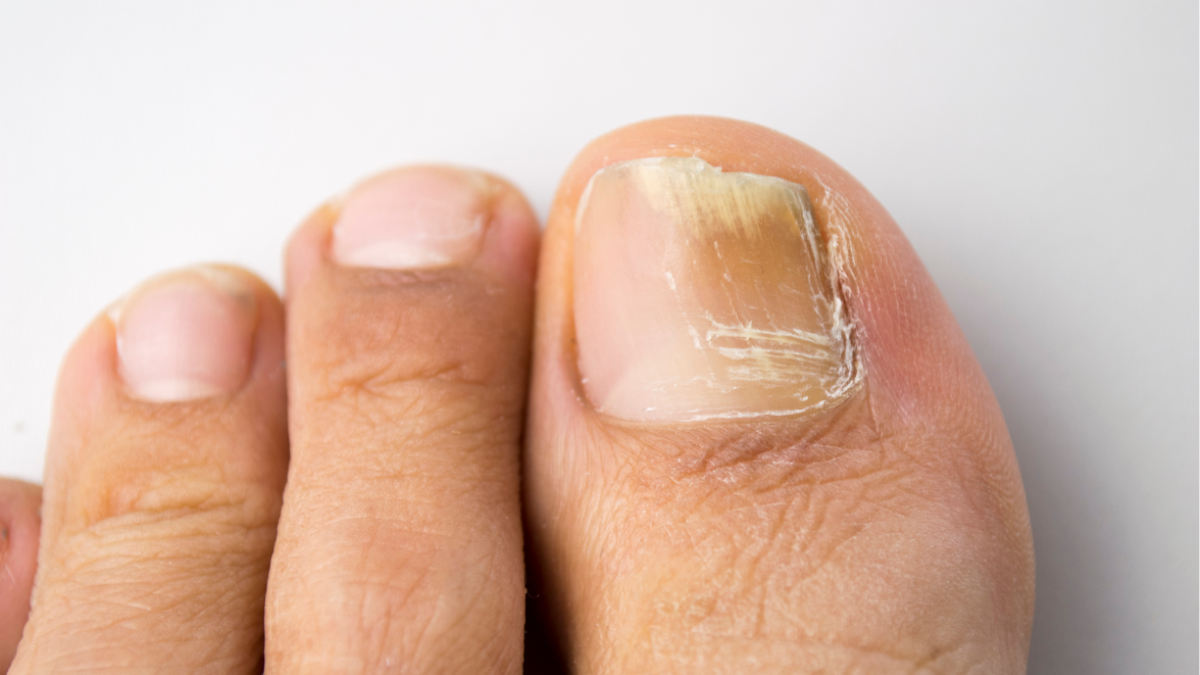
Credit: www.uclahealth.org
How Selenium Helps Fight Fungal Infections
Selenium helps fight fungal infections by boosting the immune system. It supports the body in stopping fungus growth. This mineral works well with vitamins to keep nails healthy and strong.
How Selenium Supports The Immune System
Selenium is a mineral that helps the immune system fight infections. It boosts the body’s ability to kill harmful fungi. A strong immune system can stop nail fungus from growing.
Selenium improves white blood cell function. White blood cells attack and destroy fungal cells. This makes selenium important for fighting nail fungus.
Selenium’s Antioxidant Properties
Selenium acts as an antioxidant in the body. It protects cells from damage by harmful molecules called free radicals. Healthy cells can better resist fungal infections.
This protection reduces inflammation and supports healing. Selenium helps maintain the skin and nails’ natural barrier. A strong barrier stops fungus from entering.
Selenium’s Role In Enzyme Function
Selenium is part of important enzymes in the body. These enzymes help control oxidative stress. Less stress means healthier cells and tissues.
Fungi find it harder to survive in healthy tissues. Selenium helps keep the nail area less favorable for fungus. This slows down fungal growth and spread.
Natural Sources Of Nail-friendly Vitamins
Natural sources of vitamins help fight nail fungus and boost nail health. Eating the right foods gives your body the nutrients it needs. These vitamins support nail strength and repair damaged nails.
Choosing foods rich in these vitamins helps protect nails from infections. The body absorbs vitamins better from natural foods than from supplements. Here are key vitamins and their natural sources that promote healthy nails.
Vitamin E From Nuts And Seeds
Vitamin E helps protect nails from damage and keeps them strong. Nuts like almonds and seeds such as sunflower seeds are rich in vitamin E. A small handful daily supports nail health and fights fungal infections.
Biotin In Eggs And Whole Grains
Biotin improves nail thickness and reduces brittleness. Eggs are an excellent source of biotin. Whole grains like oats and brown rice also contain this important vitamin. Regular intake helps nails grow faster and healthier.
Vitamin C From Citrus Fruits
Vitamin C aids collagen production, essential for nail strength. Citrus fruits like oranges, lemons, and grapefruits provide high amounts of vitamin C. Eating these fruits daily supports nail repair and growth.
Zinc In Meat And Legumes
Zinc fights infections and supports nail healing. Meat such as beef and chicken are rich in zinc. Beans and lentils offer plant-based zinc sources. These foods help reduce nail fungus and promote recovery.

Credit: www.youtube.com
Supplements Vs. Food For Nail Fungus
Nail fungus can be tough to treat. Vitamins help support your body’s fight against infection. Choosing between supplements and food for nail fungus requires understanding their benefits. Both provide essential nutrients but in different ways. Let’s explore how each option works.
Benefits Of Vitamins From Food
Foods offer vitamins in a natural form. They come with other nutrients like fiber and antioxidants. Eating a balanced diet improves overall health. Foods such as spinach, nuts, and eggs contain vitamins good for nails. These vitamins help strengthen nails and fight fungus. Your body absorbs vitamins from food more easily. Food also supports a healthy immune system. A strong immune system helps fight nail infections faster.
Advantages Of Taking Supplements
Supplements provide vitamins in concentrated doses. They help people who cannot get enough vitamins from food. Supplements are easy to use and measure. They target specific deficiencies that worsen nail fungus. Some supplements include vitamin E, biotin, and zinc. These vitamins promote nail repair and growth. Supplements may work faster than food in some cases. They are helpful during severe infections or poor diets.
Which Is Better For Nail Fungus?
Choosing food or supplements depends on your needs. Food gives a wide range of nutrients. Supplements focus on specific vitamin needs. Combining both can improve nail health. Start with a healthy diet rich in vitamins. Use supplements only if a doctor advises it. Avoid overdosing on vitamins from supplements. Balance is key to fighting nail fungus effectively.
Top Foods Rich In Antifungal Vitamins
Eating foods rich in antifungal vitamins helps fight nail fungus naturally. These vitamins support your immune system and stop fungal growth. They also improve nail health and speed healing. Including these foods in your diet can make a big difference.
Foods High In Vitamin E
Vitamin E protects nails from damage and infection. Nuts like almonds and hazelnuts are great sources. Spinach and sunflower seeds also contain plenty of vitamin E. These foods help keep nails strong and fungus-free.
Sources Of Vitamin C
Vitamin C boosts immunity and fights fungal infections. Oranges, strawberries, and kiwi have high vitamin C content. Bell peppers and broccoli are also rich in this vitamin. Eating these foods helps your body fight nail fungus effectively.
Foods With Vitamin D
Vitamin D supports your immune system and skin health. Fatty fish such as salmon and mackerel provide vitamin D. Eggs and fortified milk are other good sources. Vitamin D helps your body resist fungal infections better.
Vitamin B Complex In Foods
Vitamin B complex improves nail strength and fights fungus. Whole grains like brown rice and oats contain many B vitamins. Eggs, meat, and dairy are also rich in B vitamins. These foods help nails grow healthy and resist infections.
Daily Vitamin Intake For Nail Fungus
Nail fungus can cause discoloration, thickening, and brittleness in nails. Proper vitamin intake supports nail health and helps fight infection. Vitamins strengthen nails and boost the immune system. A daily vitamin routine can improve nail recovery and prevent fungus growth.
Vitamin D For Nail Fungus
Vitamin D helps the body absorb calcium. Strong nails need calcium to stay healthy. It also supports the immune system to fight fungus. Sunlight is a natural source of vitamin D. Supplements can help if sunlight is limited.
Vitamin E For Nail Fungus
Vitamin E acts as an antioxidant. It protects nail cells from damage. It also improves blood circulation to nails. Better circulation means faster healing and stronger nails. Apply vitamin E oil directly to nails for added benefit.
Vitamin C For Nail Fungus
Vitamin C helps produce collagen. Collagen keeps nails strong and flexible. It also supports the immune system. Foods rich in vitamin C include oranges and strawberries. Vitamin C supplements are easy to take daily.
B-complex Vitamins For Nail Fungus
B vitamins support cell growth and repair. Biotin, a B vitamin, is key for nails. It prevents brittleness and promotes thickness. B vitamins also help the immune system work well. Whole grains, eggs, and nuts contain many B vitamins.
Lifestyle Changes To Support Nail Health
Healthy nails need more than vitamins alone. Small lifestyle changes help fight nail fungus and keep nails strong. These changes support your body’s ability to heal and protect your nails.
Good habits reduce the chance of fungus and help nails grow better. Focus on daily routines and care to improve nail health naturally.
Maintain Proper Hygiene
Clean nails prevent fungus from spreading. Wash your hands and feet regularly with soap and water. Dry them well, especially between toes. Avoid sharing nail tools with others.
Wear Breathable Footwear
Choose shoes made of materials that let air pass. Avoid tight shoes that trap moisture. Change socks daily to keep feet dry. Dry feet stop fungus from growing.
Keep Nails Trimmed And Filed
Short nails are less likely to trap dirt and fungus. Trim nails straight across. Use a clean nail file to smooth edges. Avoid biting or picking nails.
Boost Your Diet
Eat foods rich in vitamins A, C, D, and E. Include biotin and zinc for nail strength. Drink plenty of water to stay hydrated. Healthy food supports nail repair.
Avoid Nail Damage
Protect nails from harsh chemicals and injuries. Wear gloves when cleaning or gardening. Avoid using nails as tools. Gentle care helps nails stay healthy.
Combining Vitamins With Antifungal Treatments
Combining vitamins with antifungal treatments can improve nail fungus care. Vitamins support the body’s natural healing process. They help strengthen nails and fight infection. Antifungal treatments target the fungus directly. Using both together may speed up recovery.
How Vitamins Support Antifungal Treatments
Vitamins boost the immune system. A strong immune system fights fungus better. Vitamins like B-complex and E help repair damaged nails. They make nails less likely to break. Healthy nails recover faster from fungal infections.
Best Vitamins To Take With Antifungal Medicine
Vitamin D improves immune response. Vitamin C helps reduce inflammation. Zinc aids in cell repair and growth. Biotin strengthens brittle nails. Taking these vitamins can make treatments more effective.
Tips For Combining Vitamins And Antifungal Care
Take vitamins daily for steady support. Follow antifungal medicine instructions carefully. Keep nails clean and dry to prevent fungus growth. Talk to a doctor before starting vitamins. This avoids unwanted interactions or side effects.
Signs Of Vitamin Deficiency Affecting Nails
Nails often show early signs of vitamin deficiency. Changes in nail color, texture, or strength can signal a lack of essential vitamins. These signs help identify which vitamins your body needs. Healthy nails need the right nutrients to stay strong and resist infections like nail fungus.
White Spots And Lines
White spots or lines on nails may mean zinc or calcium deficiency. These vitamins help in nail growth and repair. Lack of them can cause weak, brittle nails that break easily.
Brittle And Cracked Nails
Brittle nails that crack or split often point to a lack of biotin or vitamin A. Biotin strengthens nails. Vitamin A supports cell growth, including nail cells.
Slow Nail Growth
Slow nail growth can result from low levels of vitamin B7 (biotin) and vitamin C. Both vitamins are crucial for healthy nail production and repair.
Discolored Or Yellow Nails
Yellow nails may indicate vitamin E deficiency. Vitamin E acts as an antioxidant and protects nails from damage.
Soft Or Peeling Nails
Soft or peeling nails often link to a lack of iron or vitamin B12. These nutrients help carry oxygen to nails and keep them strong.
Potential Side Effects Of Excess Vitamins
Taking vitamins can help fight nail fungus and improve nail health. But too many vitamins may cause problems. It is important to know the risks of excess vitamins. Overdoing vitamins can harm your body and slow down healing. Understanding side effects helps you stay safe while treating nail fungus.
Vitamin A Toxicity
Too much vitamin A can cause nausea and headache. It may also lead to dizziness and blurry vision. High doses can harm your liver over time. Avoid taking more than the recommended amount daily. Watch for signs like dry skin or joint pain.
Excess Vitamin D Effects
Vitamin D overdose can raise calcium levels in the blood. This may cause weakness, vomiting, and kidney problems. Too much vitamin D can also lead to heart issues. Keep vitamin D intake within safe limits. Symptoms like confusion or frequent urination need attention.
Too Much Vitamin E Risks
High doses of vitamin E can cause bleeding problems. It may increase the risk of bruising or stroke. Excess vitamin E also disrupts blood clotting. Stay within the daily recommended dose. Talk to a doctor before using large amounts.
Vitamin C Overdose Problems
Too much vitamin C can cause stomach pain and diarrhea. It may also lead to kidney stones in some people. Large doses can upset your digestive system. Stick to safe daily limits to avoid discomfort. Watch for symptoms like cramps or nausea.
When To Consult A Healthcare Provider
Nail fungus can sometimes be hard to treat with vitamins alone. Persistent or severe infections need expert care. Knowing when to see a healthcare provider helps prevent complications.
Early consultation can lead to faster healing and less damage to nails. Healthcare providers can offer treatments beyond vitamins, such as prescription medicines.
Signs Of Severe Nail Fungus Infection
Watch for intense pain or swelling around the nail. Thickened, crumbling nails that change color or shape need medical attention. A foul smell or pus signals a serious infection.
When Home Remedies And Vitamins Don’t Work
If the infection does not improve after weeks of vitamin use, seek help. Persistent fungus can spread to other nails or skin. Doctors may suggest stronger antifungal medications or tests.
Risk Factors That Require Professional Advice
People with diabetes, weak immune systems, or poor blood flow need prompt care. Nail infections in these cases can cause complications. Early treatment helps avoid lasting damage or spreading infection.
Preventing Nail Fungus Through Nutrition
Nail fungus can cause pain and discoloration. Strong, healthy nails resist infections better. Nutrition plays a key role in nail health. Certain vitamins help protect nails from fungus. Eating the right foods supports nail strength.
Good nutrition improves the immune system. A strong immune system fights off fungal infections. Vitamins promote nail growth and repair. Healthy nails create a barrier against fungus.
Vitamin D For Strong Nail Defense
Vitamin D helps the body absorb calcium. Calcium is important for nail strength. It also supports immune function to fight fungus. Sun exposure and foods like fish provide vitamin D.
Vitamin E To Protect Nail Cells
Vitamin E acts as an antioxidant. It protects nail cells from damage. This vitamin keeps nails hydrated and flexible. Nuts, seeds, and green leafy vegetables contain vitamin E.
Biotin For Faster Nail Growth
Biotin, or vitamin B7, improves nail thickness. Thicker nails are harder for fungus to invade. It also helps repair damaged nails. Eggs, nuts, and whole grains are good biotin sources.
Vitamin C To Boost Immunity
Vitamin C strengthens the immune system. It helps the body fight infections quickly. This vitamin also supports collagen production. Citrus fruits, strawberries, and peppers have plenty of vitamin C.
Frequently Asked Questions
What Vitamins Help Fight Nail Fungus Effectively?
Vitamin E and Vitamin C support nail health and boost immunity. Vitamin D also helps by improving skin and nail resistance. These vitamins can aid the body in fighting fungal infections.
Can Vitamin D Prevent Nail Fungus Growth?
Vitamin D strengthens the immune system, which helps stop fungi growth. It also helps keep nails strong and healthy. Low Vitamin D may increase the risk of infections.
How Does Vitamin E Improve Nail Fungus Condition?
Vitamin E acts as an antioxidant to protect nails from damage. It supports skin repair and reduces inflammation around infected nails. This vitamin helps nails heal faster.
Is Vitamin C Useful For Treating Nail Fungus?
Vitamin C boosts the immune system to fight infections better. It also helps repair damaged skin and nails. Strong immunity is key to overcoming nail fungus.
Do B Vitamins Play A Role In Nail Fungus Health?
B vitamins help keep nails strong and support skin health. Biotin (B7) is important for nail growth and repair. Healthy nails resist infections like fungus better.
How Long Does It Take Vitamins To Improve Nail Fungus?
Nail improvement from vitamins usually takes several weeks to months. Nails grow slowly, so consistent vitamin intake is needed. Patience is important for visible results.
Can Vitamin Supplements Replace Antifungal Treatments?
Vitamins support nail health but do not replace antifungal medicine. Antifungal treatments target the fungus directly. Use vitamins alongside treatment for better results.
Are There Foods Rich In Vitamins Good For Nail Fungus?
Yes, foods like nuts, citrus fruits, and leafy greens have key vitamins. These foods provide Vitamin E, C, and B vitamins naturally. Eating healthy supports nail healing.
Conclusion
Vitamins play a key role in fighting nail fungus. Vitamins like biotin, vitamin E, and vitamin C help strengthen nails and support healing. A healthy diet with these vitamins can reduce fungus growth. Taking care of your nails with proper vitamins aids faster recovery.
Remember, vitamins work best alongside good hygiene and treatment. Stay consistent and patient for the best results. Healthy nails start from inside the body. Small steps can make a big difference. Keep your nails strong and fungus-free.