
Have you ever wondered if toenail fungus could be more dangerous than just an annoying nail problem? You might be surprised to learn that what seems like a simple infection could have serious effects on your health.
If you’ve been ignoring that discolored, thickened nail, it’s time to pay attention. You’ll discover the real risks behind toenail fungus and whether it can actually be life-threatening. Keep reading to find out what you need to know to protect yourself and your loved ones.
What Is Toenail Fungus?
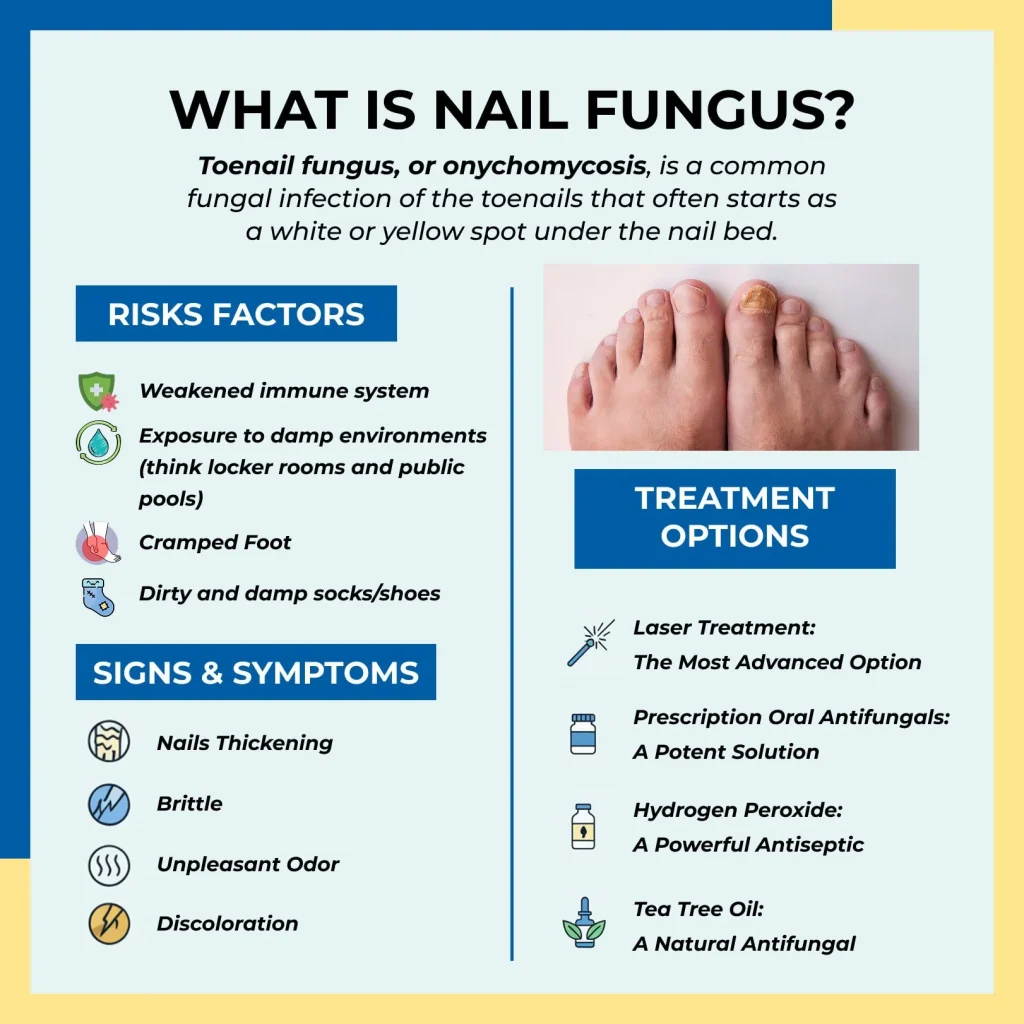
Toenail fungus is a common infection affecting the nails on your toes. It happens when tiny fungi grow under or inside the nail. These fungi thrive in warm, moist places. This makes your feet an easy target, especially if they stay sweaty or wet for long.
The infection can start small, with little changes in the nail’s color or texture. Over time, it can make the nail thick, brittle, or crumbly. Many people ignore it at first, thinking it’s just a minor issue. But toenail fungus can cause discomfort and even lead to bigger problems if untreated.
Common Causes
Toenail fungus often begins from exposure to fungi in public places. Walking barefoot in locker rooms, pools, or showers increases risk. Wearing tight, non-breathable shoes traps moisture around toes. Poor foot hygiene also helps fungi grow faster. People with weakened immune systems or diabetes face higher chances of infection.
Symptoms To Watch For
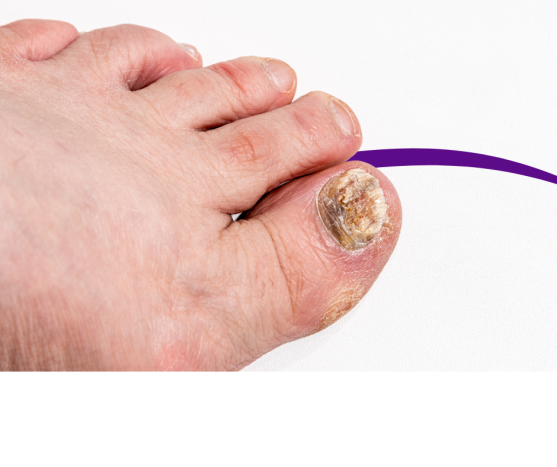
Watch for nails that change color to yellow, brown, or white. Nails may become thickened or brittle and start to crumble. A foul smell can come from the infected nail. Sometimes, the nail lifts away from the nail bed. Pain or discomfort might occur, especially when wearing shoes.
Credit: certifiedfoot.com
How Toenail Fungus Spreads
Toenail fungus is a common infection that affects many people. It spreads from one nail to another and sometimes to other people. Understanding how it spreads helps prevent it from getting worse or passing it on.
Risk Factors
Certain conditions increase the chance of getting toenail fungus. Warm, moist environments like sweaty shoes help fungus grow. Poor foot hygiene and walking barefoot in public places raise risks. People with weak immune systems or diabetes have higher chances too. Nail injuries create openings for fungus to enter and spread.
Contagion Methods
Toenail fungus spreads mainly through direct contact. Sharing shoes, socks, or nail clippers can transfer fungus. Walking barefoot on damp floors in gyms, pools, or locker rooms spreads spores. The fungus can live on surfaces for days, waiting to infect. Touching infected nails and then touching healthy nails spreads the infection quickly.
Health Risks Beyond The Nail
Toenail fungus might seem like just a small, annoying problem. It starts with changes in the nail’s color or texture. Many people ignore it as a cosmetic issue. Yet, the infection can cause health problems beyond the nail itself. The fungus can spread and lead to serious risks. Understanding these risks helps in deciding when to seek treatment.
When It Becomes Dangerous
Toenail fungus becomes risky if the infection spreads to the skin. This can cause athlete’s foot or other skin infections. People with weak immune systems face higher dangers. The fungus might enter the bloodstream in severe cases. This is rare but can cause life-threatening infections. Diabetics and older adults have a higher chance of complications. Early treatment is important to prevent the infection from worsening.
Potential Complications
Complications include pain and swelling around the infected nail. The skin can crack, allowing bacteria to enter. This may lead to cellulitis, a serious skin infection. In some cases, the infection causes permanent nail damage. People with diabetes risk foot ulcers due to fungus. Ulcers can become infected and slow to heal. Untreated infections can lead to hospital stays and even amputation.
Credit: www.thefeetpeople.com.au
Who Is Most Vulnerable?
Toenail fungus is usually harmless for many people. But some groups face higher risks. Their bodies may not fight infection well. This can make toenail fungus more dangerous. Understanding who is most vulnerable helps in taking care.
People With Diabetes
Diabetes affects how the body heals wounds. High blood sugar can damage nerves and blood flow. This makes infections harder to control. Toenail fungus can cause sores or ulcers. These wounds may get worse quickly. In serious cases, it could lead to amputation. People with diabetes must watch foot health closely.
Weakened Immune Systems
The immune system fights infections every day. Some conditions or medicines weaken this defense. Cancer patients, organ transplant recipients, or those with HIV face higher risks. Their bodies struggle to stop fungus from spreading. Toenail fungus can turn into deeper infections. These infections might enter the bloodstream. This can cause severe illness and even death. Extra care is needed for these individuals.
Can Toenail Fungus Be Fatal?
Toenail fungus is common and usually not dangerous. Many people see it as just a cosmetic problem. But can toenail fungus be fatal? In most cases, it does not cause death. Still, some rare situations can turn serious. Understanding these risks helps protect your health.
Rare But Serious Cases
Toenail fungus itself rarely causes death. Problems arise when it leads to deeper infections. People with weak immune systems face higher risks. This includes those with diabetes or other illnesses. In rare cases, fungus can cause severe infections in the skin or bones. These infections might become life-threatening if untreated.
How Infection Can Spread
The fungus can spread from the nail to surrounding skin. If the skin breaks, bacteria can enter. This may cause an infection called cellulitis. In serious cases, infection spreads to the bloodstream. This condition, known as sepsis, can be deadly. Early treatment helps stop the spread and protect your health.
Treatment Options That Work
Treating toenail fungus is important to stop its spread and discomfort. Many options exist, ranging from home care to medical treatments. Each method has its strengths and works differently for people. Choosing the right treatment can help clear the infection and protect your nails.
Home Remedies
Home remedies can help fight mild toenail fungus. Tea tree oil is a popular choice due to its antifungal properties. Applying it daily may reduce fungus over time. Vinegar soaks also create an acidic environment that fungi dislike. Soaking feet in a vinegar-water mix can improve nail health.
Keeping feet dry and clean supports healing. Regularly trimming nails helps remove infected parts. Good hygiene prevents fungus from spreading to other nails or people. Home remedies work slowly but are gentle and low-cost.
Medical Treatments
Medical treatments offer stronger and faster results. Doctors often prescribe antifungal pills for severe infections. These pills reach the fungus inside the nail and skin. Treatment usually lasts several weeks or months for full effect.
Topical antifungal creams and lacquers are another option. These medicines apply directly to the nail surface. They work best with mild or early infections. In tough cases, doctors may remove the infected nail.
Consulting a healthcare provider is key. They can recommend the best treatment based on infection severity. Medical treatments help avoid complications and nail damage.
Preventing Toenail Fungus
Preventing toenail fungus starts with simple habits. These habits keep your feet clean and dry. They stop fungus from growing and spreading.
Hygiene Tips
Wash your feet daily with soap and water. Dry them well, especially between toes. Change socks every day to keep feet fresh. Avoid sharing towels or nail clippers. Use clean shoes and sandals in public places. Trim nails straight and keep them short. This helps prevent fungus from getting under nails.
Lifestyle Changes
Wear breathable shoes made of natural materials. Avoid tight shoes that trap moisture. Let shoes air out before wearing again. Use antifungal powders if feet sweat a lot. Go barefoot at home to let feet breathe. Choose socks that wick moisture away. Avoid walking barefoot in public showers or pools. These small changes reduce fungus risk greatly.

Credit: www.premier-podiatry.com
Frequently Asked Questions
Can Toenail Fungus Cause Serious Health Issues?
Toenail fungus itself is rarely life-threatening. However, if untreated, it can lead to secondary bacterial infections. People with weakened immune systems or diabetes should be cautious, as complications may arise. Early treatment helps prevent severe health problems linked to fungal infections.
How Does Toenail Fungus Spread To Other Body Parts?
Toenail fungus can spread if left untreated. Fungi thrive in warm, moist environments and may infect nearby skin. Scratching infected nails can transfer fungi to other areas. Proper hygiene and timely treatment reduce the risk of spreading the infection.
When Should I See A Doctor For Toenail Fungus?
See a doctor if the infection worsens or causes pain. Also, seek medical advice if you have diabetes or a weakened immune system. Persistent discoloration, thickening, or nail damage warrants professional evaluation and treatment options.
Can Toenail Fungus Lead To Hospitalization?
Hospitalization due to toenail fungus is extremely rare. Severe infections may require medical intervention in immunocompromised individuals. For most, timely treatment prevents complications and eliminates the need for hospital care.
Conclusion
Toenail fungus rarely causes death, but it can cause problems. It may lead to pain, discomfort, and infections if left untreated. People with weak immune systems should be careful. Early treatment helps stop fungus from spreading. Keep feet clean and dry to prevent infection.
See a doctor if symptoms worsen or do not improve. Taking care of your nails is important for overall health. Don’t ignore changes in nail color or texture. Stay aware and act quickly to avoid complications.